
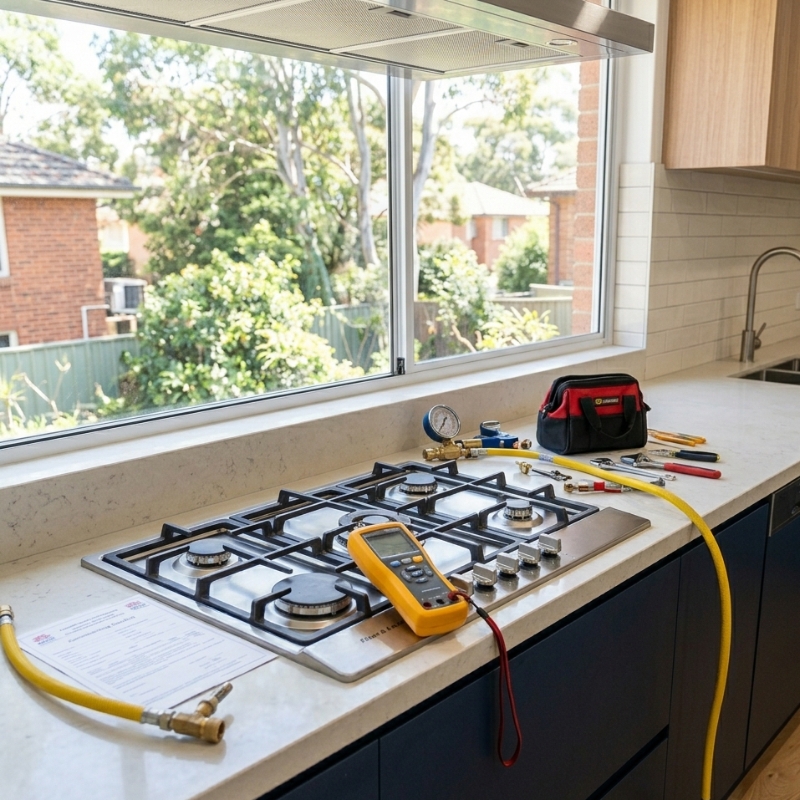
Ripping out cabinets, choosing splashbacks and hunting for the perfect tap can be exciting, but a kitchen renovation also hides one of the most regulated and potentially dangerous systems in your home – the gas line. In NSW you must use a licensed tradesperson for any gas fitting work, yet eager DIYers still attempt shortcuts that can lead to leaks, failed compliance inspections or voided appliance warranties. This guide walks you through the seven most common blunders renovators make, why they matter and the safer way forward. If you already suspect your plan might involve moving or extending pipework, engage a professional early. A qualified gas fitting specialist can often save you time, money and a few grey hairs down the track.
1. Assuming the Existing Gas Pipe Can Handle New Appliance Loads
Upgrading to a 900 mm freestanding cooker or adding a gas wok burner is high on many remodel wish-lists, but bigger flames demand more megajoules per hour (MJ/h). DIY plans often overlook the pipe-sizing calculation, leaving appliances starved of pressure or struggling to ignite.
Why It Matters
Undersized pipework can cause low flame height, yellow-tipping, sooting and carbon monoxide build-up. Worse, the appliance warranty or your home insurance may be void if the supply line is proven inadequate.
Safer Approach
• Check the MJ/h rating on every new gas appliance.
• Have a licensed fitter calculate total demand and confirm whether the current main line, branch lines and regulator can cope.
• Factor in future additions—an outdoor kitchen or gas heater—so you avoid re-running pipes twice.
2. Moving the Cooktop Without Rethinking Ventilation
Open-plan designs often see cooktops shifted to new islands or external walls. The focus quickly turns to range-hood aesthetics, while the impact on gas ventilation standards is missed.
Common Pitfalls
• Selecting a slide-out or downdraft hood with insufficient air extraction for a high-MJ wok burner.
• Ignoring minimum clearance zones between burners and combustible materials.
• Neglecting make-up air requirements in tightly sealed homes.
How to Dodge the Problem
A licensed fitter will cross-check AS/NZS 5601.1:2022 gas installation standards, cooktop manufacturer clearances and NSW Building Code ventilation prescriptions. If you want island cooking, discuss ducting routes before cabinetry goes in. Rerouting ducts after tiling can add weeks of delay.
3. Re-Using Old Flexible Hose Connectors
It’s tempting to keep the existing braided stainless hose on a gas cooktop for “one less thing to buy”, but hoses have a service life, and microscopic fatigue can lead to hidden cracks.
Risk Snapshot Table
| Situation | What It May Mean | Suggested Next Step |
| Hose looks kinked, discoloured or frayed | Possible internal wire fatigue or rubber perish | Replace immediately during renovation |
| Hose is over 10 years old but “looks fine” | Age-related degradation may not be visible | Replace as preventive maintenance |
| Hose length is now too short after the appliance move | Stretching puts strain on fittings | Install a correctly sized new hose |
A professional will install a new, code-approved hose, test for leaks and fit restraining brackets so the appliance cannot twist the line.
4. “Temporary” DIY Shut-Off Valves That Become Permanent
Homeowners sometimes install hardware-store isolation valves so they can test-fit cabinets, telling themselves they’ll “get the plumber in later”. Unfortunately, those valves often stay hidden behind panels for years.
Why It’s a Problem
• Valves not rated for gas can corrode internally.
• Poor thread sealing or wrong tape (white PTFE rather than approved yellow gas tape) leads to slow leaks.
• An inspector discovering uncertified components can issue a rectification notice, delaying occupancy certificates.
Better Solution
If you truly need temporary isolation, have a licensed fitter cap the line or fit an approved test point. They can return to finish final connections after cabinetry is complete.
5. Forgetting Compliance Certificates and Gas Notices
In NSW, any gas fitting work—new installation, extension or relocation—requires a Certificate of Compliance issued within five business days and lodged with Fair Trading. DIYers who skip that paperwork risk fines or a failed final inspection when they sell the property.
Compliance Essentials
| Document | Who Issues It | Why You Need It |
| Certificate of Compliance | Licensed gas fitter | Confirms work meets AS/NZS 5601, protects insurance claims |
| Gas Fitting Notice | Also, by a licensed fitter | Registers the job with NSW Fair Trading, provides job number |
No certificate, no legal proof the work is safe. Always confirm your tradesperson’s licence and ask for both documents before making the final payment. For more detail on NSW obligations, see the official guidelines from NSW Fair Trading.
6. Sealing Pipe Joints With the Wrong Product
General-purpose thread sealant, silicone or “handy” Teflon tape can appear in renovation toolkits, but gas systems demand specific Class 3 or 4 jointing compounds rated for natural gas or LPG.
What Goes Wrong
• Non-rated sealant degrades under gas exposure, causing odourless leaks behind walls.
• Excess paste can break off, clogging appliance regulators and valves.
• Future maintenance becomes harder when fittings are glued rather than seated.
Avoiding the Trap
Insist on a recognised gas-approved joint compound or yellow PTFE tape, applied by a qualified fitter who torque-tests fittings and performs leak-down pressure testing.
7. Overlooking the Renovation-Induced Gas Leak Risk
Hectic demolition work can nudge pipes, split aging copper or jolt fittings loose. Many homeowners do not schedule a leak test after trades have been crawling under floors or cutting chases in walls.
For an in-depth look at protecting your gas line during broader home makeovers, read how to reduce gas leak risk in home renovations. In brief, book a licensed fitter to pressure-test the line once the dusty work finishes but before plastering and painting hide potential damage.
Red-Flag Checklist: Spot Issues Before They Blow Your Budget
Use the checklist below as you plan your kitchen timeline. If you tick “Yes” to any item, involve a professional before proceeding.
| Question | Yes/No |
| Are you relocating the cooktop, oven or gas bayonet point? | |
| Adding high-output burners or multiple gas appliances? | |
| Unsure of pipe size versus new MJ/h load? | |
| Ventilation path or range-hood specs unclear? | |
| Re-using any gas hoses, valves or fittings? | |
| Demolition work near existing gas pipes? | |
| Unsure about mandatory compliance paperwork? |
A 30-minute planning consult with a licensed fitter often prevents costly re-work later.
When Is It Safe to DIY, and When Should You Call a Licensed Gas Fitter?
Some minor pre-renovation tasks—like disconnecting cabinet doors or marking new appliance cut-outs—are fine for the keen renovator. Anything involving the gas supply is not. Below is a quick comparison to help you decide.
| Task | Usually DIY-Friendly? | Licensing Required? | Recommended Action |
| Removing old cabinetry around gas appliances | Yes | No | Isolate at the meter first, avoid flexing hoses |
| Disconnecting a gas appliance | No | Yes | Book a fitter to cap the line safely |
| Extending or rerouting pipework | No | Yes | Professional design and pressure testing |
| Reconnecting and commissioning appliances | No | Yes | Fitter ensures leak-free joints and compliance lodgement |
| Surface-level cosmetic work (painting, tiling) | Yes | No | Mask or shield any exposed gas fixtures |
Frequently Asked Questions
1. Can I legally run my own copper gas pipe if I get it inspected later?
No. NSW regulations require a licensed gas fitter to perform and certify the entire installation process, not just inspect the finished work.
2. Do I need a bigger gas meter for a commercial-style stove?
Possibly. A fitter can calculate total demand and liaise with your gas retailer if an upgraded meter or regulator is needed.
3. How long does it take to get a Certificate of Compliance after work is finished?
Your fitter must issue it within five business days of completing the job, but many provide digital copies on the same day.
4. Will flexible gas hoses last the lifetime of my new kitchen?
Hoses are considered maintenance items. Manufacturers typically recommend inspection every 5 years and replacement every 10, or sooner if signs of wear emerge.
5. Is it safe to cap an unused gas line behind a wall?
Only if the cap is accessible for future inspection and was installed, tested and certified by a licensed gas fitter.
Final Thoughts
A dream kitchen shouldn’t become a gas-safety nightmare. Most renovation blow-outs occur because early plans overlook pipe sizing, ventilation and compliance paperwork. Bringing a licensed gas fitter into the conversation during the design phase helps you avoid hidden leaks, appliance under-performance and council hold-ups. If any of the red flags in this guide apply to your project, lining up professional support now will almost always be cheaper than ripping out tiled splashbacks later to fix a concealed mistake.