
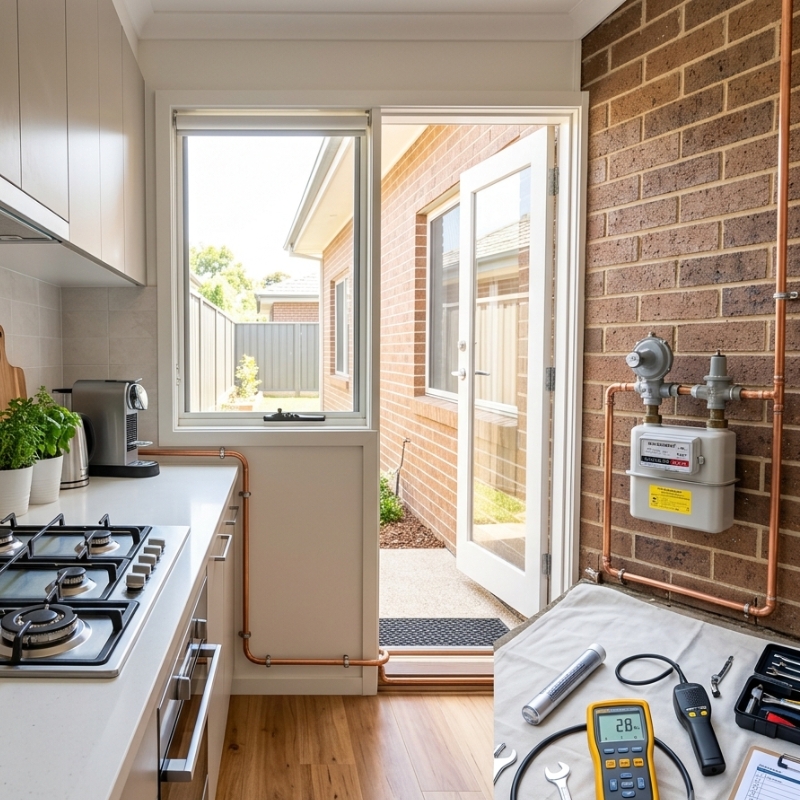
Sydney households are hanging on to gas appliances longer than ever, from cooktops to outdoor heaters. Ageing pipework plus busy family schedules create a mix that can let small faults slip by until they become expensive – or dangerous. Routine line inspections keep appliances efficient and children safe, yet many homeowners still guess at the right interval. An approved professional gas fitting service in Sydney’s suburbs can set up a timetable that matches appliance age, usage and local regulations while fitting around school runs and commute hours.
Why Frequency Matters
Gas lines do not gradually “wear out” in a neat, linear way. Corrosion can be sudden around a leaking irrigation system, flexible connectors perish faster in coastal air, and joint sealants dry out when heaters sit idle through a mild winter. The outcome is the same: unburnt gas inside living areas and higher carbon monoxide levels at the flue. NSW Fire and Rescue call-outs for suspected leaks still spike at the start of winter, proof that skipped maintenance concentrates risk at the worst possible time – right when families close windows to keep warm.
Regular inspections catch early warning signs long before an emergency. Maintaining a clear record of professional checks also satisfies landlords’ obligations under the Residential Tenancies Regulation 2020 and provides evidence for insurance claims if damage does occur.
Recommended Inspection Timelines
Australian Standards AS/NZS 5601.1 set the base rules, but frequency depends on living patterns. The table below gives a starting point our technicians use when advising time-poor households in Parramatta, the Northern Beaches and beyond.
| Situation | Suggested Check Interval | Notes for 2026 |
| New build with compliant copper pipework | Every 5 years | Builders’ warranty usually covers the first 12 months – confirm paperwork. |
| Home older than 15 years, original piping | Every 2–3 years | Combine with roof inspection to save time. |
| Property near the coast (salt air) | Every 2 years | Stainless clips on flexi-hoses still corrode faster. |
| Rental property | Annually | Landlords must keep a record accessible to the tenant. |
| LPG cylinders feeding a granny flat | Annually | Swap out rubber pigtails at the same visit. |
| After any DIY renovation around pipe locations | Immediately after work | Even a single nail into a stud can pierce concealed pipe. |
Families juggling sport drop-offs often postpone annual bookings. Blocking out one hour in the shoulder season – early March or late September – avoids the peak winter rush and secures faster appointment windows.
Signs You Need an Extra Check
Inspections on a calendar keep homes compliant, yet several cues call for immediate attention between booked visits.
- Light-headedness or headaches around the heater
- Orange flame tips on a cooktop instead of steady blue
- Intermittent beeping from carbon monoxide alarms
- Rotten-egg smell near floor level outdoors
- High gas bills despite similar usage patterns
Anyone noticing these symptoms should isolate the supply at the meter and speak to a licensed plumber right away. For a quick refresher on recognising early leak indicators, our mid-year post on the signs of a gas leak walks you through the first five minutes of a safe response.
What a Licensed Gas Fitter Checks During a Visit
A standard domestic inspection in 2026 covers more ground than homeowners realise, largely because modern appliances contain multiple safety interlocks that must be tested in sequence.
- Visual assessment of exposed pipework for mechanical damage, corrosion spots and unsupported spans.
- Pressure test from the meter using calibrated manometers to confirm the system holds regulated line pressure for a specified duration.
- Verification that appliance isolation valves are operational and accessible (common issue behind stacked laundry cabinets).
- Combustion analysis on heaters and hot-water units, including flue draw measurement.
- Flexible hose age and condition check – NSW guidelines expect replacement every ten years or earlier if cracking appears.
- Confirmation that earth bonding straps are intact where metal piping enters the dwelling, reducing electrocution risk in a fault.
Technicians finish by updating a digital compliance certificate, essential evidence for warranties and future resale. The whole process fits inside a typical toddler nap window, meaning parents do not have to wrangle curious youngsters around test equipment.
Simple Checks for Busy Families
Professional servicing is mandatory for compliance, yet families can still spot early red flags without specialist gear.
- Keep external meter boxes clear of leaves so technicians can access isolation valves in an emergency.
- Open windows briefly if a heater struggles to ignite; poor ventilation often signals a blocked flue.
- Note flame colour on cook-tops during everyday use. Any change to yellow indicates incomplete combustion.
- Replace batteries in carbon monoxide alarms on each child’s birthday – easier to remember than the calendar date.
None of these tasks removes the need for licensed servicing, but they shrink the window between a developing fault and professional repair.
Staying Up-To-Date With 2026 Regulations
Energy policy continues to shift towards hydrogen blending trials across the Jemena network. While families will not see pure hydrogen at the meter this year, new appliances labelled “hydrogen-ready” already appear in Sydney retailers. Existing copper networks can handle the proposed 10 per cent mix, yet elastomer seals in older bayonet fittings might not. Checking dates on rubber components during routine servicing will keep homes compatible and avoid last-minute scramble when the pilot blend rolls out.
For landlords, amendments to the Residential Tenancies Regulation effective November 2025 tighten the wording on “urgent repairs” for gas leaks. Failing to arrange prompt professional attention can see rental bonds claimed for temporary accommodation. Staying on top of annual inspections keeps portfolios compliant and tenants happy.
More detail sits on the NSW Fair Trading gasfitting regulations page, including licence classes and penalty units for unqualified work.
Final Word
Routine gas line checks slip down the priority list when family calendars are packed, yet the inspection itself often takes less time than a weekly supermarket run. Aligning the frequency with appliance age, coastal exposure and tenancy rules removes uncertainty and keeps everyone breathing easy. Put the next date in your phone now, then let a qualified fitter handle the rest.