
Small faults, big risks
Natural gas remains the preferred energy source for heating, cooking and hot water in much of Sydney. When pipework is healthy, it does the job quietly for decades. When something goes wrong, faults escalate quickly — from higher bills to genuine safety emergencies. That’s why licensed gas plumbers in Sydney stay busy year-round fixing issues most households never see coming.
Ageing materials and corrosion
Galvanised steel piping was the norm until the 1970s. It slowly rusts from the inside out, especially in coastal air or damp sub-floor spaces. Copper is longer-lived but eventually pits where it rubs against timber joists. Even modern multilayer (ML) or polyethylene (PE) gas lines degrade if ultraviolet light reaches exposed sections.
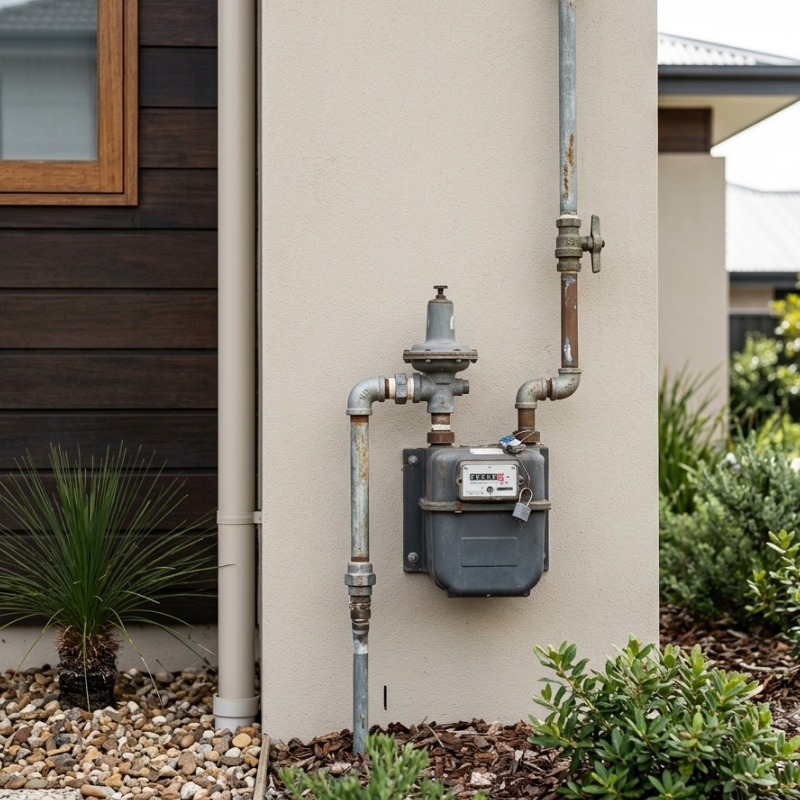
Corrosion thins the pipe wall, leaving pinholes that vent gas into wall cavities. The leak may be silent; a faint sulphur smell only appears when the heater or cooktop fires for a while. Many owners first notice flaky rust around an outdoor riser or a powdery green stain on copper near the meter. Replacing a single compromised section is possible, yet whole-of-house repipes are common once failures begin.
Joint and fitting leaks
Most leaks start where two pieces meet:
- Compression olives loosen as vibration from appliances travels through the line.
- Threaded steel unions lose sealant over time, especially if pipe movement isn’t restrained.
- Gas cocks behind cooktops seize or crack under heat.
Because joints hide behind plasterboard or in cabinets, early signs are subtle: scorch-like marks on cupboards, an intermittent hiss, or a pilot light that refuses to stay lit. Licensed gasfitters use electronic sniffers and soapy water to confirm the source before retightening or swapping out offending fittings.
A note on flexible connectors
Stainless-steel braided hoses connect many new cooktops. They are convenient but age fast when cleaning chemicals or steam attack the rubber core. Appliance manufacturers advise replacing them every five years; insurance assessors increasingly treat ignore-and-forget connectors as owner negligence after a fire.
Pressure and flow hiccups
Every appliance on a run needs a steady 2.75 kPa (LPG) or 1.1 kPa (natural gas) to stay efficient. Common disruptors include:
- Regulator fatigue: The spring inside the meter-mounted regulator eventually sags, starving downstream appliances of fuel.
- Partial blockages: Dust caps, insect nests, or Teflon tape fragments lodge inside pipes, pinching flow.
- Poorly sized branches: Renovations that add an outdoor kitchen can exceed the pipe’s original capacity, causing one appliance to rob pressure from another.
Symptoms show up as yellow cooktop flames, heaters cutting out when the oven lights, or hot water units that cycle cold. Homeowners often blame individual appliances, yet the root cause sits in the line.
For a step-by-step look at narrowing down mysterious odours that accompany low pressure, Apex’s guide on detecting a gas leak walks through simple checks you can run before calling a professional.
Installation shortcuts that backfire
DIY repairs remain illegal, yet plenty of older homes carry the legacy of well-intentioned but unqualified handiwork. Typical red flags:
– Unsupported spans longer than 1.2 metres that sag under their own weight.
– Unprotected copper running through brick without a sleeve, leading to abrasion leaks.
– Hot-dipped galvanised nails driven through hidden pipes during flooring or deck jobs.
– Lack of isolation valves on individual appliances, making routine servicing impossible without shutting off the street meter.
Some shortcuts don’t fail immediately; they simply breach today’s Australian Standards. If you plan to sell, building inspectors will list non-compliant work, and buyers may demand remediation before settlement.
Spotting trouble early
You don’t need specialist gear to sense that something isn’t right:
- Smell: That ‘rotten egg’ odourant introduced to mains gas does its job. A sudden whiff indoors or under the house deserves attention.
- Sound: A soft hiss near a meter or appliance, especially in the quiet of night, can indicate a serious escape.
- Sight: Look for vegetation dying in a straight line above underground pipes, scorch marks on cabinets, or bubbles rising through puddles after rain.
- Bills: A spike in consumption outside expected seasonal changes often traces back to a slow, continuous leak.
Trust observations over assumptions; gas can accumulate in voids for days before an ignition source appears.
When to bring in a licensed professional
Gas plumbing falls under NSW Fair Trading’s “specialised work”. Only licensed gasfitters can legally repair or alter pipework, issue compliance certificates and liaise with distributors to restore supply if the meter has been locked. Apart from legalities, there are three practical reasons to involve a professional early:
- Tools: Pressure gauges, manometers and flammable-gas detectors pick up pinhole leaks invisible to soap water.
- Materials: Modern PE pipe requires electro-fusion welding equipment homeowners don’t own.
- Warranty: Manufacturer guarantees on heaters, cooktops and regulators rely on documented, compliant installation.
For detailed consumer obligations and safety guidance, the NSW Government maintains a clear overview of gas installations and licensing.
A measured approach keeps households safe
Most gas pipe faults start small and remain invisible until a smell, noise or bill spike forces attention. Corrosion, loose joints, fluctuating pressure and legacy DIY errors top the list across Australian homes. Regular visual inspections, prompt investigation of odours, and scheduled appliance servicing all buy time. When anything looks or smells off, engaging a licensed gasfitter isn’t an over-reaction; it is the straightforward path to protecting people, property and peace of mind.