
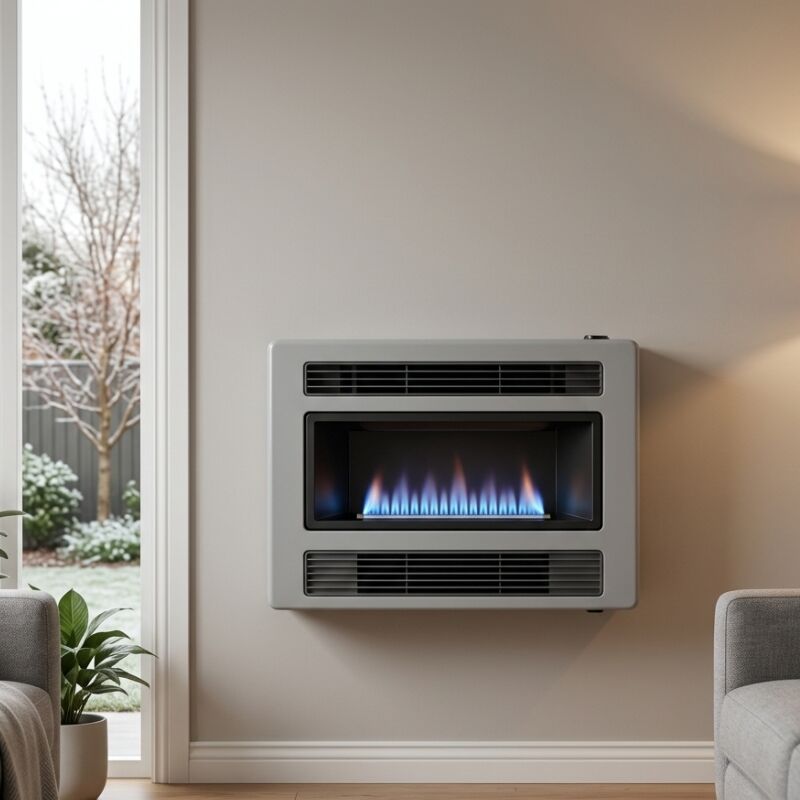
Sydney nights chill quickly once the southerly rolls in. Householders lean on gas heaters for fast, reliable warmth, yet few pause to notice small irregularities before they become costly failures. Responding early to minor faults keeps energy bills stable and, more importantly, reduces the risk of carbon monoxide escaping indoors. Homeowners researching gas heater repairs in Sydney often sit on the fence until a unit stops altogether. Acting sooner avoids that frantic mid-July scramble for a technician when the queue already stretches out the door.
Subtle Performance Shifts
Output that once felt steady may begin to drift almost imperceptibly. A living room that usually reaches 22 degrees after 10 minutes now takes 15. Bedrooms at the far end of the duct line feel cooler than before, even though vents are open and unobstructed. The pilot flame might extinguish overnight, forcing a manual relight in the morning. These gradual changes point to developing issues such as a partially blocked burner, a weakening fan motor or falling gas pressure from a fatigued regulator.
Thermostat behaviour offers another early clue. If the setpoint is met on the wall display yet the room still feels chilly, the sensor may have drifted out of calibration or airflow within the heater is no longer balanced. Replacing batteries and repositioning the thermostat away from direct sunlight sometimes restores accuracy, though lingering deviation usually flags a deeper mechanical problem inside the unit.
Audible and Visual Cues
Healthy gas heaters run with a low, even hum. New sounds stand out against that familiar background. Short metallic pings after ignition suggest expanding heat exchangers suffering from surface corrosion. A whooshing roar each time the burner lights can indicate excess gas entering before the flame stabilises. Left unchecked, the blast erodes burner ports and stresses seams.
Eye-level inspection through the flame window reveals more. A clean burn produces a crisp blue flame with only a hint of yellow at the tip. Predominantly yellow or dancing, elongated flames signify incomplete combustion, often due to limited oxygen from clogged inlets or a burner partly coated in lint. Soot marks on the surrounding grille confirm the same condition, and those deposits narrow passages further, accelerating the decline.
Noticeable scorching on nearby cabinetry or paint discolouration above wall mounts hints at a heat exchanger crack directing hot exhaust toward the housing. That damage cannot be patched safely; a licensed gas fitter must replace the exchanger.
Air Quality Changes
Household members sometimes feel the effects of heater faults before seeing them. Mild headaches, drowsiness, or nausea that clear after stepping outside point to low-level carbon monoxide buildup. The gas is odourless, so early physiological signs deserve immediate attention. A persistent dry throat or irritated eyes while the unit operates may come from nitrogen dioxide produced by incomplete combustion.
Another overlooked indicator sits on the windowsill. Excess condensation on cool panes means water vapour is accumulating indoors, often the result of a flue that no longer vents fully. Similarly, an unexpectedly stuffy or stale atmosphere, even after airing rooms, signals compromised fresh-air intake.
Pet owners should watch their animals too. Cats retreating from their usual warm perch or dogs persistently scratching at doors for fresh air can provide subtle, early warnings humans miss.
Rising Bills and Efficiency Drop
Energy bills rarely lie. A seasonal spike above normal variation, with no change in usage patterns, suggests declining heater efficiency. The appliance may operate longer to achieve the same warmth, burning additional gas thanks to fouled filters, a failing spark electrode causing repeated ignition cycles, or a worn fan blade reducing airflow over the heat exchanger.
DIY maintenance such as replacing return-air filters and vacuuming visible dust helps, but efficiency that keeps sliding points to hidden components reaching end of life. Comparative running costs between similar households can be misleading; rely on your own historical bills as the baseline.
Knowing the Right Moment to Call
Everyone balances inconvenience, safety, and budget. Hesitation often centres on whether the fault warrants full servicing or can wait until the unit’s next scheduled check. Any combination of the following signals tips the scales toward booking a licensed gas technician immediately:
- Flames changing from blue to yellow
- Sudden ignition bangs or sustained rumbling
- Pilot is extinguishing more than once a week
- Soot staining air outlets or surrounding walls
- Unexplained dizziness or headaches while the heater runs
- Notable gas odour near the appliance
- Quarterly bill increases that exceed underlying tariff rises
Those who prefer a deeper technical dive can compare their observations with the symptoms listed in our article about common gas furnace problems. The NSW Government’s latest gas heater safety advice also sets clear expectations around ventilation and annual servicing for flued and unflued models.
Winter bookings for reputable trades fill rapidly across Greater Sydney, especially once the mercury dips below ten overnight. Securing a maintenance slot during autumn provides room for genuine repairs rather than emergency band-aids. Technicians can order specific manufacturer parts, replace worn seals, test carbon monoxide concentrations, and verify flue integrity while demand remains manageable.
Continued operation after early warnings emerge risks a cascading failure that often costs more than proactive repair. A cracked heat exchanger, for instance, generally means replacing the entire unit rather than a single component. Catching airflow restriction before metal fatigues preserves both heater and wallet.
Final Observation
Gas heaters reward attention to detail. Small sensory changes—slower warmth, unfamiliar sounds, altered flame colour—give owners a window to act before serious safety hazards or hefty bills arise. Monitoring those cues through the cooler months and reacting promptly keeps Sydney homes comfortable and occupants protected.